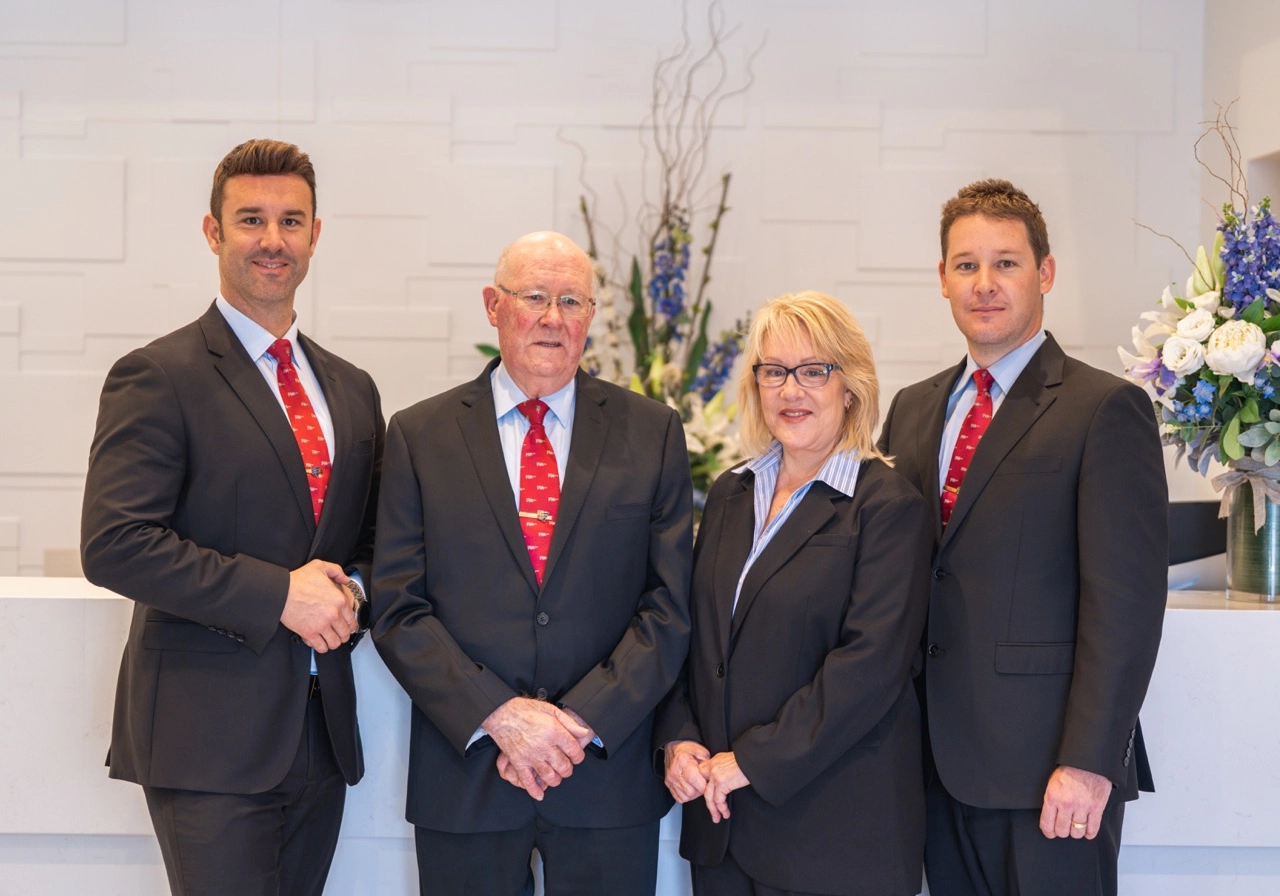
Australia is wonderfully diverse, and funeral traditions vary greatly across faiths and cultures. Some call for burial within a set time, others for specific rituals, prayers, dress or mourning periods. A caring funeral director listens first, then works respectfully within your beliefs and customs, coordinating with your clergy or community leaders so that every important tradition is honoured with dignity.
Every culture and faith has its own way of farewelling those who have died, and these traditions carry deep meaning and comfort. In a community as diverse as ours, a funeral director’s role is to listen, learn and support, never to impose. This guide offers a respectful overview of some common religious and cultural funeral customs in Australia, and explains how families are supported to honour what matters most. It is general information rather than religious guidance, and our team at Keith Logue & Sons is always led by your wishes and your community.
How a Funeral Director Supports Cultural and Religious Customs
A good funeral director begins by understanding your traditions and what is important to your family. From there, they can coordinate with your clergy, celebrant or community leaders, arrange specific requirements such as timing, dress, preparation of the body or particular rituals, and ensure venues and burial or cremation arrangements respect your faith. The aim is simple: you focus on grieving and remembering, while the practical details are arranged with care and discretion.
Common Religious Funeral Traditions
While every family observes their faith in their own way, here is a respectful, general overview of some common traditions:
| Faith | Some common customs |
|---|---|
| Catholic | A Requiem Mass, prayers and often burial, though cremation is accepted |
| Anglican and Protestant | A church or chapel service with hymns, readings and a eulogy |
| Jewish | Burial usually within a short time, a simple coffin, and a mourning period such as shiva |
| Islamic | Burial as soon as possible, ritual washing, and prayers facing Mecca |
| Hindu | Cremation is traditional, with specific rites often led by the family |
| Buddhist | Customs vary by tradition, often with chanting, reflection and cremation |
These are general descriptions only. Your own community and family will guide the specific observances. If your own faith or culture is not shown here, please do not worry, as these are only examples, and we are always glad to learn about and honour the traditions that matter to your family. For a deeper, respectful overview of customs across many cultures and religions, the SBS Cultural Atlas is a trusted Australian resource.
Honouring Cultural Traditions
Beyond religion, many families wish to honour cultural customs, such as particular music, languages, dress, foods or rituals that reflect their heritage. These details bring great comfort and make a farewell feel authentic. Whether it is a specific piece of music, a traditional gathering, or customary attire, these elements can be woven into the service with care.
Practical Details Worth Discussing Early
Alongside the religious elements, a few practical matters are worth raising early. You might consider whether part of the service should be held in another language or include an interpreter, whether a bilingual order of service would help guests follow along, and any customs around gatherings, food or hospitality that matter afterwards. If a loved one is to be laid to rest in another country, repatriation can also be arranged. Our guide to planning a funeral is a helpful starting point, and our team will always work within your customs.
Frequently Asked Questions
What is a multicultural funeral?
A multicultural funeral is a service that blends the religious, cultural and family traditions that are meaningful to the person who has died and to those they leave behind. It might bring together particular prayers, languages, music, dress or rituals from one or more heritages, all woven together with care so that the farewell feels true to who they were.
Can a funeral director arrange a religious funeral?
Yes. Whether or not your family is closely connected to a religious community, a caring funeral director can help arrange the service your faith calls for, liaising with clergy or a temple, mosque, synagogue or community leaders on your behalf. Faith funeral services like these are part of our everyday work.
How do we decide what to include if our family spans more than one faith?
Start with a gentle, open conversation about what matters most to each part of the family and to the person who has died. A thoughtful service can hold more than one tradition side by side, and your funeral director can help you find a respectful balance.
Do some religions require burial within a certain time?
Yes. Several faiths, including Jewish and Islamic traditions, call for burial soon after death. A funeral director experienced in these customs can help arrange things promptly and respectfully. If you have just lost someone and need to act quickly, please call us straight away, at any hour, and we will begin making the arrangements without delay.
Can cultural customs be included in a non-religious funeral?
Absolutely. Cultural traditions, music, language and rituals can be part of any farewell, religious or not. It is your family’s celebration of a life, shaped however feels meaningful.
Every Tradition, Honoured With Care
Your beliefs and customs deserve to be honoured fully and respectfully. As a fourth-generation, family-owned funeral home, Keith Logue & Sons has arranged multicultural funerals for families of many faiths and cultures across Coffs Harbour and the Mid North Coast, always guided by their wishes. If you would like to talk through your traditions, our caring team is here. You are welcome to call us any time on (02) 6652 1999 or send an online enquiry whenever you are ready.
This article was written by the team at Keith Logue & Sons, a fourth-generation, family-owned funeral home that has cared for families across Coffs Harbour and the Mid North Coast for over five decades.
[REFERENCES]
- SBS Cultural Atlas, Death and dying customs, https://culturalatlas.sbs.com.au/
- Australian Centre for Grief and Bereavement, https://www.grief.org.au/