A headstone, monument or memorial plaque marks a loved one’s resting place and creates a lasting tribute to their life. Headstones are larger upright or flat monuments for a grave, while plaques are smaller and often used for cremation memorials, gardens or niche walls. Choices include the material, design, and inscription. Take your time, check the cemetery’s regulations, and choose something that truly reflects your loved one.
A memorial gives families a place to visit, reflect and feel close to a loved one, and choosing a headstone or plaque is a meaningful part of saying goodbye. Whether you are marking a grave or a cremation memorial, there is no need to rush the decision. This guide explains the types of headstones and plaques available, what to consider, and how the process works. It is general information, and our team at Keith Logue & Sons is always happy to guide you through it with care.
Headstones and Plaques: What Is the Difference?
The term monuments covers any permanent memorial that marks a resting place, with headstones and plaques being the two most common. They suit different settings:
- Headstones are larger grave memorials, either upright or flat (a lawn memorial). They are typically made of granite or marble and can carry detailed inscriptions and designs.
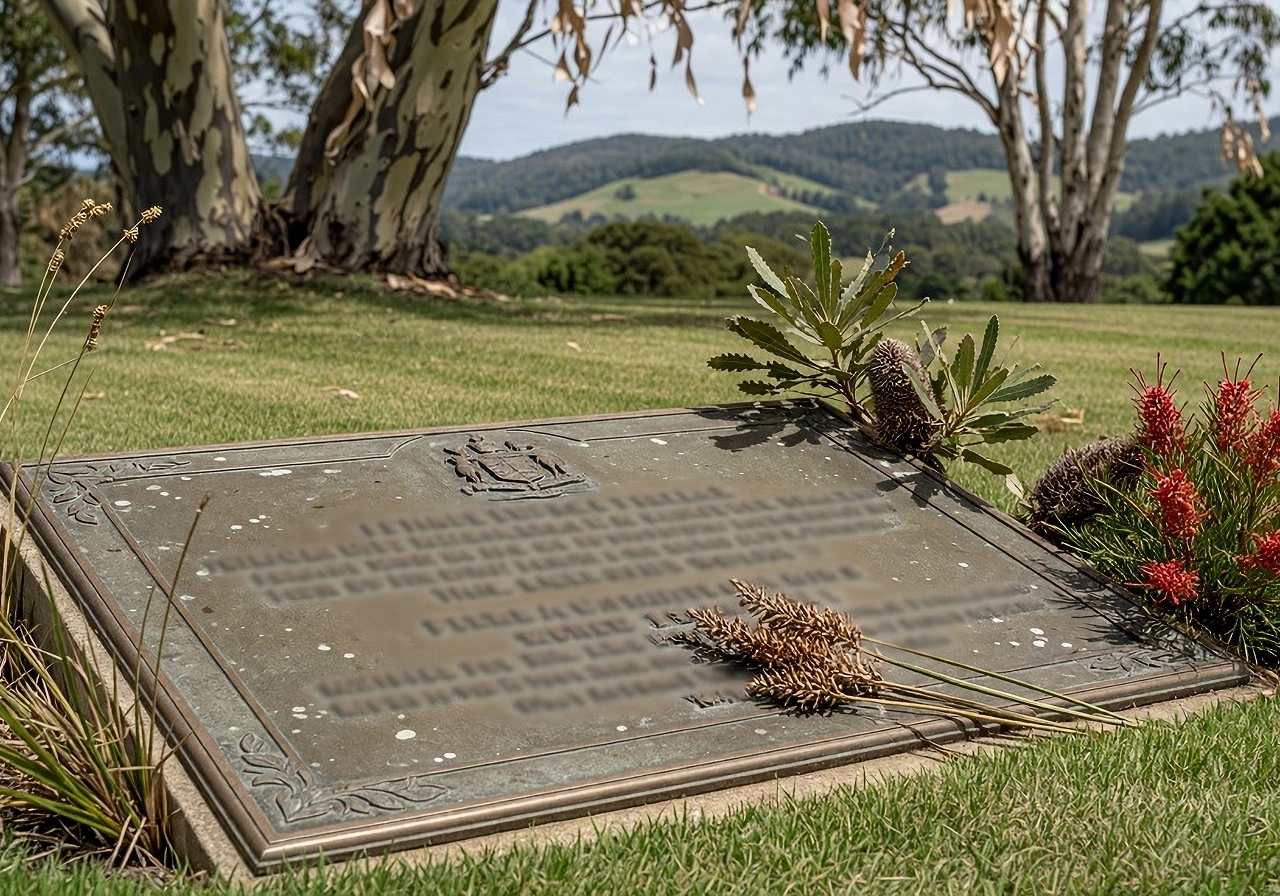
- Memorial plaques are smaller, usually bronze or granite, and are often used for cremation memorials, memorial gardens, niche walls or family memorials.
Beyond traditional headstones and plaques, monuments can take many forms, from statues and full memorial beds to garden features, benches and bush-rock memorials. A plaque can even be added to an existing headstone or set into a garden surround, so there is a great deal of flexibility to create something personal.
Your choice will depend on whether you have chosen burial or cremation and the cemetery or memorial location.
Here in Coffs Harbour, our own Hogbin Drive Memorial Gardens include niche walls and garden settings where memorial plaques can be placed, and we can also help you arrange a headstone or monument at a local cemetery.
What to Consider When Choosing a Memorial
A few things are worth thinking about before you decide:
- Cemetery regulations. Each cemetery has rules about size, materials and styles, so check these first.
- Material. Granite is durable and low-maintenance, while marble and bronze each have their own character.
- Design. Consider shape, colour, and any motifs, symbols or photographs that reflect your loved one.
- The inscription. The words you choose will endure, so take your time over them.
- Budget. Costs vary widely with size, material and detail. Factor this into the overall funeral cost.
Ideas for a Memorial Inscription
Headstone inscriptions usually include the full name, dates of birth and death, and often a short, personal message. Families sometimes add:
- A loving epitaph, such as “Forever in our hearts”
- A line from a poem, hymn or favourite song
- A religious verse or blessing
- A simple description of a cherished role, such as “Beloved mother and grandmother”
There is no need to fill every space. A few heartfelt words often say the most.
How Long Does a Headstone Take?
A headstone is usually not installed straight away. For a new grave, the ground needs time to settle, often around six months, before a monument can be placed. The headstone itself is then made to order, which can take several weeks. Plaques for cremation memorials can often be arranged more quickly. Your funeral director or a monumental mason can advise on timing.
Frequently Asked Questions
How much does a headstone cost?
Costs vary considerably depending on size, material and design, ranging from a few thousand dollars for a simple plaque to significantly more for a large, detailed monument. It is worth obtaining a written quote.
When can a headstone be placed on a grave?
Usually after the ground has settled, often around six months following a burial. Your cemetery and monumental mason can confirm the right timing.
Can you add a plaque for someone who was cremated?
Yes. Memorial plaques are a popular way to honour a loved one who was cremated, whether in a memorial garden, on a niche wall, or alongside a scattering or keepsake.
Who looks after the headstone over time?
The family is generally responsible for the upkeep of a private memorial. Granite is low-maintenance, and a gentle clean from time to time keeps it looking its best.
A Lasting Tribute, Made With Care
A memorial is something your family will treasure for generations, so it deserves time and thought. As a fourth-generation, family-owned funeral home, Keith Logue & Sons can help you choose a fitting headstone or plaque and guide you through the cemetery’s requirements. If you would like to talk it through, our caring team is here. You are welcome to call us any time on (02) 6652 1999 or send an online enquiry whenever you are ready.
This article was written by the team at Keith Logue & Sons, a fourth-generation, family-owned funeral home that has cared for families across Coffs Harbour and the Mid North Coast for over five decades.
[REFERENCES]
- Cemeteries & Crematoria NSW, https://www.cemeteries.nsw.gov.au/
- Office of Australian War Graves (for veterans), https://www.dva.gov.au/recognition/commemorating-our-war-dead/office-australian-war-graves